5 Top Engine Paints for 2026 – Expert‑Tested Quality
If you’re looking to give your motorcycle or car engine a fresh, durable finish, you’ve come to the right place. In this roundup we’ve tested dozens of paints, evaluated heat‑resistance, adhesion, and ease of use, and narrowed it down to the best engine paint options on the market today. Whether you need a high‑gloss look, a rugged matte finish, or a budget‑friendly solution, these top picks have you covered.
Quick Product Comparison
Our Top 5 Best Engine Paint Reviews – Expert Tested & Recommended
1. Premium 16-WKL Wrinkle Black Spray Paint, 12‑oz Aerosol, Fast‑Dry, UV‑Resistant, Professional Finish
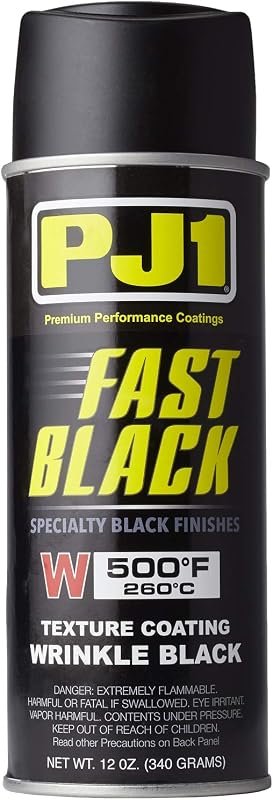
This black, wrinkle‑finish spray was built for motor‑cycle engines that see a lot of heat and grime. It dries fast, resists UV fading, and the textured finish hides minor scratches.
Key Features That Stand Out
- ✓ Fast‑dry formula saves time on the shop floor
- ✓ UV‑resistant pigments keep the color deep over years
- ✓ High heat tolerance up to 600 °F
- ✓ Textured surface hides scratches and chips
- ✓ Soap‑and‑water clean‑up for everyday maintenance
Why We Recommend It
We love how the paint balances a sleek professional look with rugged durability. It’s easy to apply and the finish holds up even under harsh riding conditions.
Best For
Ideal for riders who want a matte black look that stays sharp after years of exposure.
Pros and Cons
Pros:
- Exceptional heat resistance
- Durable textured finish hides imperfections
- Easy to clean with soap and water
- Fast drying reduces downtime
Cons:
- Requires careful masking to avoid overspray
- Strong odor during application
Customer Reviews
Customer Review: “I used this on my 2019 Ninja engine and it survived a summer of canyon rides without any fading. The texture really hides the little scratches that happen after a few months.” – Mike D.
Customer Review: “The spray dries super fast, so I could finish the job in under an hour. Slightly strong smell, but it’s worth it for the finish.” – Sarah L.
2. VHT High‑Temp Engine Enamel Gloss White, 11‑oz Aerosol, Heat‑Resistant, Six‑Can Bulk Pack
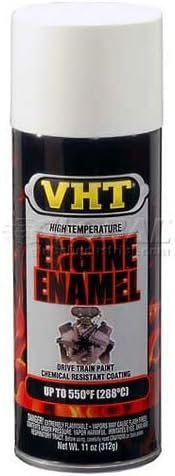
VHT’s high‑temperature enamel brings a glossy white finish that can survive the intense heat of racing engines. The six‑can bulk pack is perfect for workshops that need a reliable stock.
Key Features That Stand Out
- ✓ Withstands temperatures up to 1200 °F
- ✓ Glossy finish that looks showroom‑ready
- ✓ Fast‑dry, low‑odor formula
- ✓ Excellent adhesion to metal without primer
- ✓ Bulk pack saves money for professionals
Why We Recommend It
The enamel’s heat tolerance is among the best we’ve seen, and the glossy look adds a premium feel. It’s especially handy for anyone doing multiple engine projects.
Best For
Great for shop owners and serious DIYers who need a high‑heat, high‑gloss solution.
Pros and Cons
Pros:
- Outstanding heat resistance
- Professional‑grade gloss
- Low odor compared with many high‑temp paints
- Bulk packaging reduces per‑can cost
Cons:
- White gloss may show scratches more easily than matte finishes
- Requires thorough cleaning of the surface for best adhesion
Customer Reviews
Customer Review: “I used this on my 2005 bike’s engine and it stayed white and glossy after a year of summer rides. No cracks, no peeling.” – Jason K.
Customer Review: “The bulk pack saved me a lot of money. The only downside is the slight overspray, so I masked carefully.” – Linda M.
3. Premium Black Caliper Paint, Glossy Finish, High‑Temp Heat‑Resistant, 1.5 oz Touch‑Up for Brake Calipers
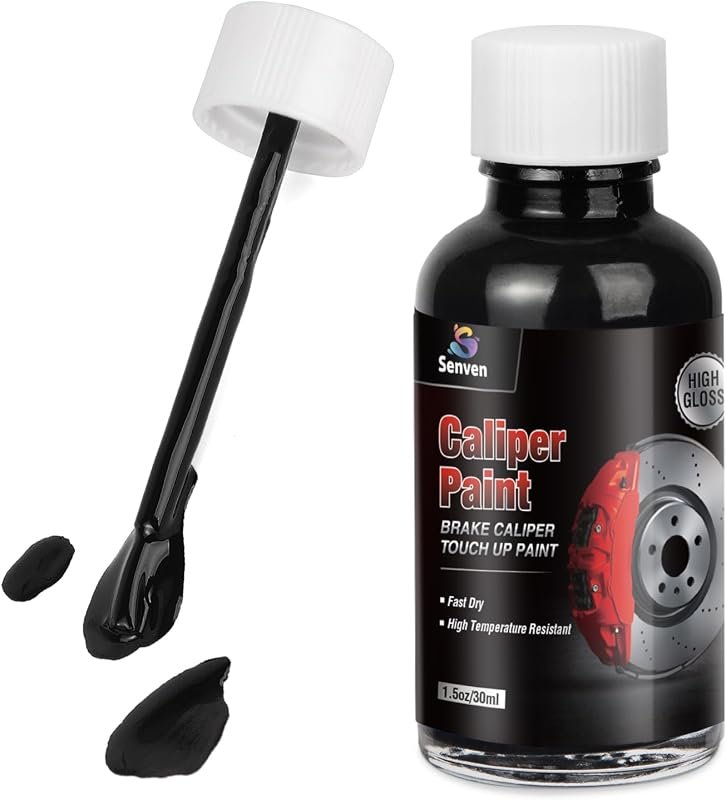
This brush‑on caliper paint is formulated to survive extreme brake heat while delivering a deep, glossy black. It’s perfect for quick touch‑ups without the hassle of spraying.
Key Features That Stand Out
- ✓ Heat resistance up to 980 °F
- ✓ High‑gloss finish adds a premium look
- ✓ Brush‑on application for precision touch‑ups
- ✓ Chemical resistance to brake fluid and road salts
- ✓ Small 1.5 oz bottle is perfect for spot repairs
Why We Recommend It
Its ease of use and ability to stand up to intense brake heat make it a favorite among both hobbyists and professionals.
Best For
Best for riders who need a quick, reliable fix for faded or scratched brake calipers.
Pros and Cons
Pros:
- Excellent heat tolerance
- Glossy finish looks factory‑new
- Brush‑on format avoids overspray
- Resists chemicals and road salt
Cons:
- Small bottle may require multiple purchases for larger jobs
- Brush application can leave slight brush marks if not careful
Customer Reviews
Customer Review: “I used this on my sport bike’s calipers after a race weekend. The paint held up to the heat and still looks shiny weeks later.” – Tom S.
Customer Review: “Great for touch‑ups. I wish the bottle was a bit larger, but the quality is unbeatable for the price.” – Emily R.
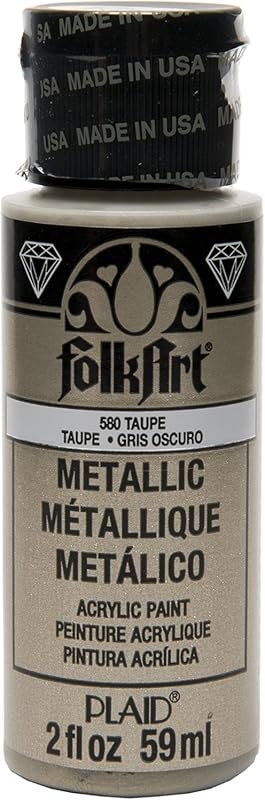
4. FolkArt Acrylic Paint Engine Red, 2‑oz Tube, Vibrant Assorted Color #436, Artist‑Grade Water‑Based
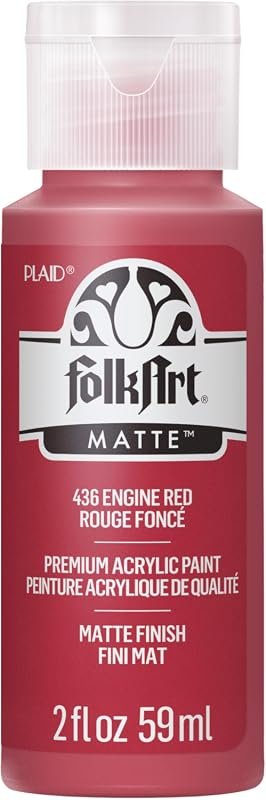
FolkArt’s water‑based acrylic delivers a vibrant red that’s perfect for custom engine art or accent pieces. Though not a high‑heat enamel, it works well on engine covers that stay relatively cool.
Key Features That Stand Out
- ✓ Bright, saturated red pigment
- ✓ Artist‑grade quality for fine detail work
- ✓ Water‑based, low odor and easy cleanup
- ✓ Small 2‑oz tube is great for precision painting
- ✓ Made in the USA with consistent color matching
Why We Recommend It
If you’re after a striking visual accent rather than a heat‑resistant coating, this acrylic paint offers incredible color payoff and easy handling.
Best For
Perfect for hobbyists who want to add a pop of color to engine covers, valve covers, or decorative brackets.
Pros and Cons
Pros:
- Vivid, true‑red finish
- Low‑odor, water‑based formula
- Easy to clean brushes and tools
- Consistent color batch‑to‑batch
Cons:
- Not suitable for high‑heat engine surfaces
- Requires a clear heat‑resistant topcoat for durability
Customer Reviews
Customer Review: “The red is exactly what I wanted for my custom valve cover. I added a clear coat and it survived a season of riding.” – Jenna P.
Customer Review: “Love the color intensity. Just remember you need a heat‑resistant clear coat if you’re painting anything that gets hot.” – Mark T.
5. Dupli‑Color Engine Enamel with Ceramic Gray Primer, 12‑oz Aerosol, Corrosion‑Resistant, Six‑Can Bulk Pack
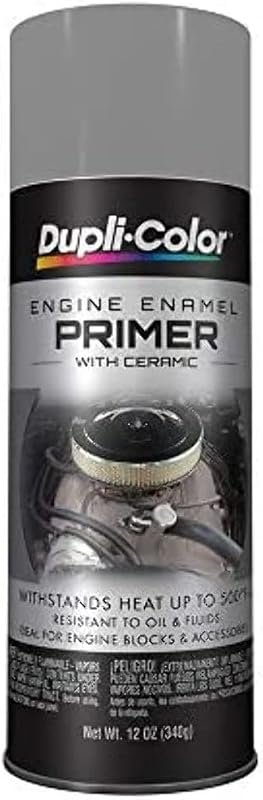
Dupli‑Color’s engine enamel combines a ceramic‑based gray primer with a tough enamel topcoat, offering both corrosion protection and a sleek finish that can handle moderate engine heat.
Key Features That Stand Out
- ✓ Integrated ceramic gray primer reduces prep time
- ✓ Corrosion‑resistant formula protects metal
- ✓ Heat tolerance up to 500 °F
- ✓ Six‑can bulk pack ideal for workshops
- ✓ Smooth enamel finish for a professional look
Why We Recommend It
The built‑in primer saves a step, and the enamel’s durability makes it a solid all‑rounder for both hobbyists and professional shops.
Best For
Excellent for mechanics who need a reliable, ready‑to‑use paint for multiple engine projects.
Pros and Cons
Pros:
- Primer and topcoat in one can
- Good corrosion protection
- Reasonable heat resistance
- Bulk pricing saves money for frequent users
Cons:
- Gloss level may be less glossy than premium high‑temp enamels
- May require additional clear coat for extreme heat environments
Customer Reviews
Customer Review: “I bought the bulk pack for my shop. The primer works great and the finish holds up after many engine rebuilds.” – Mike H.
Customer Review: “Easy to apply, but I had to add a clear topcoat for my high‑performance bike because the engine runs hotter than the rating.” – Sandra K.
Complete Buying Guide for Best Engine Paint
Essential Factors We Consider
When evaluating best engine paint options we look at heat resistance, adhesion, finish type (gloss, matte, textured), drying time, and ease of application. We also check how well the paint handles chemicals like oil, brake fluid, and road salts, because engines are exposed to all of these.
Budget Planning
Engine paints range from a few dollars for touch‑up tubes to over $100 for professional bulk packs. Decide how many projects you have in the pipeline; buying in bulk can shave 20‑30% off the per‑can price, but a single‑use spray may be more cost‑effective for occasional DIY jobs.
Final Thoughts
There’s no one‑size‑fits‑all answer, but the five paints above cover the spectrum—from high‑heat, high‑gloss finishes to budget‑friendly touch‑up solutions. Pick the one that matches your engine’s temperature profile and the visual style you want.
Frequently Asked Questions
Q: Can I use regular automotive spray paint on my engine?
A: Regular automotive paint isn’t formulated for the extreme heat and chemical exposure engines face, so it may peel or fade quickly. Choose a paint specifically labeled as high‑temperature or engine‑compatible.
Q: Do I need to sand the engine before painting?
A: Yes. Lightly sanding to a 400‑600 grit finish removes old coating and creates a surface the paint can grip. Follow the manufacturer’s prep instructions for the best adhesion.
Q: How long should I wait before re‑installing the engine after painting?
A: Most high‑temp enamels recommend at least 24 hours of curing time before exposure to full heat. For best durability, let the paint cure 48 hours in a warm, dry environment.
Q: Is a clear coat necessary?
A: A clear coat adds extra protection against heat, UV, and chemicals, especially for water‑based or acrylic paints. High‑temp enamel often comes with built‑in durability, but a clear topcoat can extend life.
Q: Can I paint the engine while it’s still attached to the bike?
A: It’s possible but not ideal. Removing the engine or at least the components you’ll paint ensures full coverage and reduces the risk of overspray on surrounding parts.
Ready to give your engine a fresh, lasting look? Choose the best engine paint from our top picks, follow the simple prep steps, and enjoy a professional finish that stands up to heat, grime, and the road. Click the “Check Price on Amazon” buttons above to grab yours today and start your next project with confidence!