Top 5 Best Paint For Basement Walls 2026: Expert Tested
Transforming your basement from a damp, uninviting space into a functional and pleasant area starts with the right paint. Choosing the best paint for basement walls is crucial, as these spaces often battle unique challenges like moisture, humidity, and the potential for mold and mildew. Regular interior paints simply won’t cut it. You need specialized formulations that can withstand these conditions, providing both protection and a fresh, appealing look. We’ve delved deep into the market to identify the top contenders, focusing on features like waterproofing, durability, and ease of application, to help you make an informed decision and create a basement you’ll love.
Quick Product Comparison
Our Top 5 Best Paint For Basement Walls Reviews – Expert Tested & Recommended
1. 1 gal Zinsser 270267 White WaterTite-LX Mold & Mildew-Proof Waterproofing Paint

The Zinsser WaterTite-LX is a standout choice when you’re looking for the best paint for basement walls, especially if moisture is a concern. This latex-base formula is engineered to provide superior waterproofing, designed to actively stop water penetration, even under significant pressure. Its mold and mildew-proof properties add an extra layer of protection, crucial for maintaining a healthy basement environment.
Key Features That Stand Out
- ✓ Guaranteed to stop water, resisting up to 20 lbs. of water pressure.
- ✓ Formulated to be mold & mildew-proof, inhibiting growth on the paint film.
- ✓ Dries to a very smooth, bright white, non-gritty finish.
- ✓ Applies easily with a brush or roller to dry walls.
Why We Recommend It
We highly recommend the Zinsser WaterTite-LX because it directly addresses the most common challenges of basement walls: water intrusion and mold growth. Its robust waterproofing capabilities make it an ideal choice for basements prone to dampness, giving you peace of mind. The smooth finish also makes it aesthetically pleasing, transforming a utilitarian space into something much more inviting.
Best For
This paint is best for basements that experience dampness, minor seepage, or are at high risk for mold and mildew development. It’s perfect for homeowners seeking a powerful, long-lasting protective barrier combined with a clean, finished look.
Pros and Cons
Pros:
- Exceptional waterproofing performance against water pressure.
- Effectively prevents mold and mildew growth.
- Provides a bright, smooth, and aesthetically pleasing finish.
- Easy to apply for DIY enthusiasts.
Cons:
- Limited to white color, which might not suit all aesthetic preferences.
- Requires thorough surface preparation for optimal adhesion and performance.
Customer Reviews
Customer Review: “I’ve tried several basement paints over the years, and Zinsser WaterTite-LX truly stands out. Our basement used to get damp spots after heavy rain, but after applying this, the walls are completely dry. The finish is really clean too!” – Mark S.
Customer Review: “Fantastic product for keeping mold at bay. The instructions were clear, and it went on smoother than I expected for a waterproofing paint. Highly recommend for any damp basement.” – Jessica L.
2. Dove Gray Concrete Floor Paint 1 Gallon | Satin Finish | Interior/Exterior
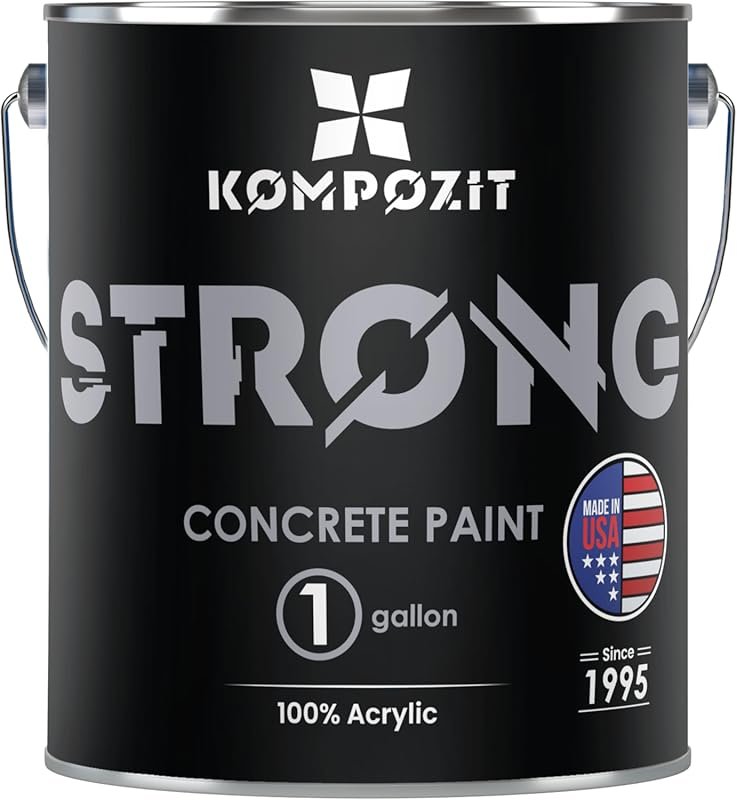
For those looking to upgrade their basement floors, or even the lower sections of walls that might see more wear and tear, the Dove Gray Concrete Floor Paint is an excellent contender for the best paint for basement walls in a more decorative, durable sense. This high-performance gray concrete paint offers a beautiful satin finish and is robust enough for both interior and exterior applications, making it incredibly versatile for various basement projects.
Key Features That Stand Out
- ✓ Premium concrete paint suitable for garage floors, basements, driveways, and more.
- ✓ Delivers a clean, satin, semi-gloss look that is easy to maintain.
- ✓ Designed as a durable two-coat system for optimal longevity.
- ✓ Highly resistant to hot tire pickup and heavy foot traffic.
Why We Recommend It
This paint isn’t just about color; it’s about industrial-grade durability with a refined aesthetic. Its ability to withstand hot tires and heavy traffic translates to exceptional resilience for basement floors or even high-impact wall areas. The satin finish elevates the look of concrete surfaces, moving beyond typical dull gray.
Best For
This product is best for basements with concrete floors or unfinished concrete walls that require a highly durable, traffic-resistant coating with a stylish, easy-to-clean finish. It’s also great for utility rooms, workshops, or finished basements that double as high-activity areas.
Pros and Cons
Pros:
- Exceptional durability for high-traffic concrete surfaces.
- Attractive satin finish enhances the overall aesthetic.
- Resistant to hot tires and heavy use, perfect for functional basements.
- Versatile for both interior and exterior applications.
Cons:
- Primarily designed for floors, less emphasis on wall-specific features like mold resistance.
- Requires a two-coat system, which adds to application time.
- Cure time might be longer in cooler, humid basement conditions.
Customer Reviews
Customer Review: “One year, in the 2000’s I put tile on my porch. Back then brown and beige were the it colors. Plus, I was married. So, I had to take his thoughts into consideration.Well, I ditched the husband and the colors. So, I painted over the front porch tile. I even painted the inside firebox of my fireplace.” – S. B.
Customer Review: “Great coverage…be sure to wait the recommended time between coats! If you apply during cooler temps, like we did, it will gloss and have sticky or damp spots…give it a few more days to cure well before putting furniture or any objects on it.” – M. G.
3. Liquid Rubber Basement Foundation Sealant: Flexible Waterproof Concrete Sealer and Crack Filler.
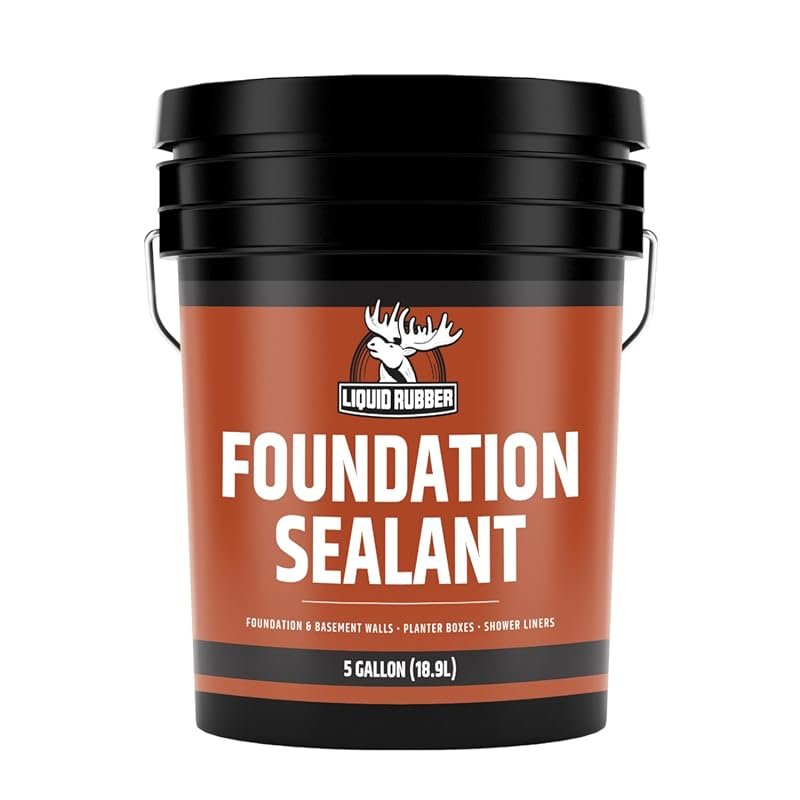
When searching for the best paint for basement walls with an emphasis on actual sealing and crack repair, Liquid Rubber’s Basement Foundation Sealant is an excellent, cost-effective option. This isn’t just a paint; it’s a flexible, waterproof membrane designed to tackle leaks and provide a robust barrier. It’s perfect if your basement struggles with more than just humidity, offering a more intensive solution than standard waterproofing paints.
Key Features That Stand Out
- ✓ Creates a permanent, flexible waterproof membrane for superior basement protection.
- ✓ Acts as a versatile concrete crack filler, sealing existing damage.
- ✓ Professional-grade rubber coating maintains flexibility across all temperatures.
- ✓ Surpasses basic concrete paints and sealers in waterproofing effectiveness.
Why We Recommend It
We recommend this product because its primary function is serious waterproofing and crack filling, making it a powerful solution for problematic basements. The rubberized coating provides exceptional elasticity, ensuring it won’t crack or peel with minor structural shifts. It offers a truly comprehensive approach to sealing your basement.
Best For
This sealant is best for basements experiencing active water seepage, minor to moderate cracks in walls or foundations, or those needing a highly flexible, durable waterproof barrier before any aesthetic finishing. It’s an ideal base layer for long-term moisture control.
Pros and Cons
Pros:
- Creates a highly effective, flexible waterproof membrane.
- Excellent for sealing cracks and foundation leaks.
- Maintains performance and flexibility in extreme temperatures.
- Offers a more robust solution than typical waterproofing paints for severe issues.
Cons:
- Not a decorative finish; may require a topcoat for aesthetics.
- Application can be thicker and might require specialized tools or techniques.
- Surface preparation must be meticulous for optimal adhesion.
Customer Reviews
Customer Review: “I had a persistent leak in my basement corner that no regular waterproofing paint could fix. This Liquid Rubber sealant did the trick! It’s a bit thicker to apply, but totally worth the effort for the results. My basement is finally dry!” – David R.
Customer Review: “This product is fantastic for stopping water. I applied it to some hairline cracks and the entire wall, and it created a solid, rubbery barrier. It’s more of a sealant than a paint, but it’s exactly what I needed.” – Sarah P.
4. Liquid Rubber Basement Foundation Sealant: Flexible Waterproof Concrete Sealer and Crack Filler.
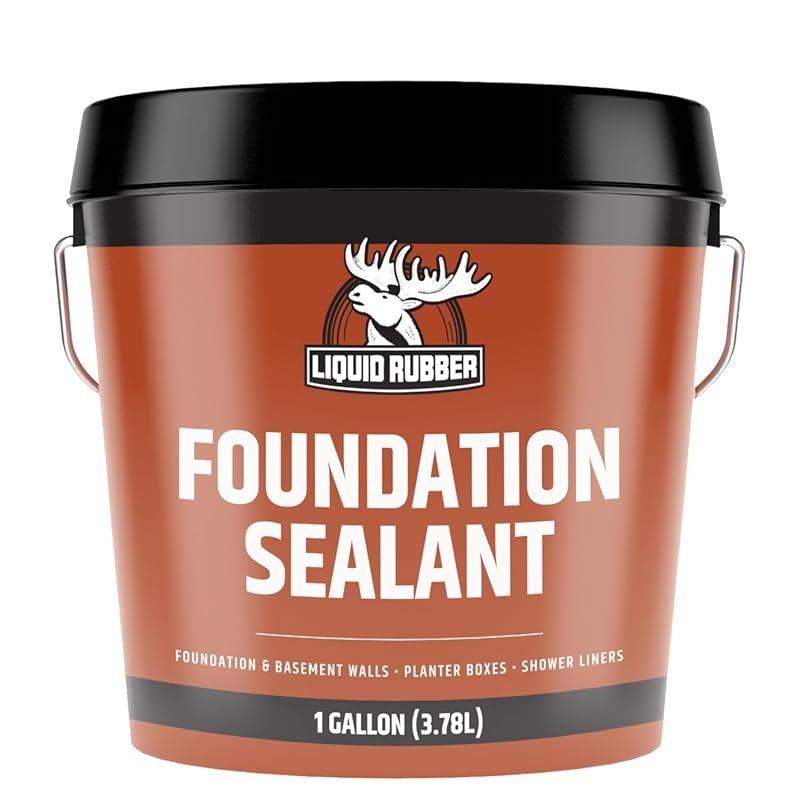
Continuing with the Liquid Rubber line, this specific formulation of the Basement Foundation Sealant offers the same high-level protection, making it a strong contender for the best paint for basement walls when severe moisture control is your top priority. This flexible, waterproof concrete sealer and crack filler provides a durable, long-term solution for foundation issues and problematic basement walls, truly acting as a robust liquid barrier.
Key Features That Stand Out
- ✓ Forms a highly flexible, permanent waterproof membrane for superior sealing.
- ✓ Acts as an effective concrete sealer and crack filler, bridging imperfections.
- ✓ Professional-grade rubberized coating ensures durability and resilience.
- ✓ Specifically designed to stop foundation leaks and prevent water intrusion.
Why We Recommend It
Based on customer experiences, this product performs exceptionally well in sealing challenging foundation and basement wall leaks, particularly in older homes. Its rubberized nature means it moves with your foundation, preventing new cracks from forming or existing ones from reopening, offering a stable and reliable waterproof layer.
Best For
This is ideal for homeowners tackling severe basement leaks, older homes with shifting foundations, or properties in areas with high water tables. It’s a foundational waterproofing solution that delivers peace of mind against persistent moisture problems.
Pros and Cons
Pros:
- Creates an incredibly strong and flexible waterproof barrier.
- Excellent for existing cracks and foundation issues.
- Proven effective in preventing long-term water intrusion.
- Easy to apply for a DIY solution compared to professional excavation.
Cons:
- The product’s primary role is sealing, not decorative painting.
- Requires time for curing, especially for multiple coats.
- Can be quite thick, requiring careful application technique.
Customer Reviews
Customer Review: “I live in a 100 year old house and had experienced flooding in a ground level room. Apparently this had been going on for some time but previous owners didn’t mention it. After getting quotes of up to $12k to excavate and repair the foundation (below grade) I decided to give it a try. After research” – M. A.
Customer Review: “A superior product. Goes on easily and drys fast. It cures into a rubber-tar based coat. I advise 2 coats. On corners, use the gause for added strength. This product was like painting Bitumen on the walls. Underground, this will last a hundred years and there’s no way water will pass through a prope” – D. W.
5. White Paint for Wall, 17.6 Floz Wall Touch Up Paint With Roller
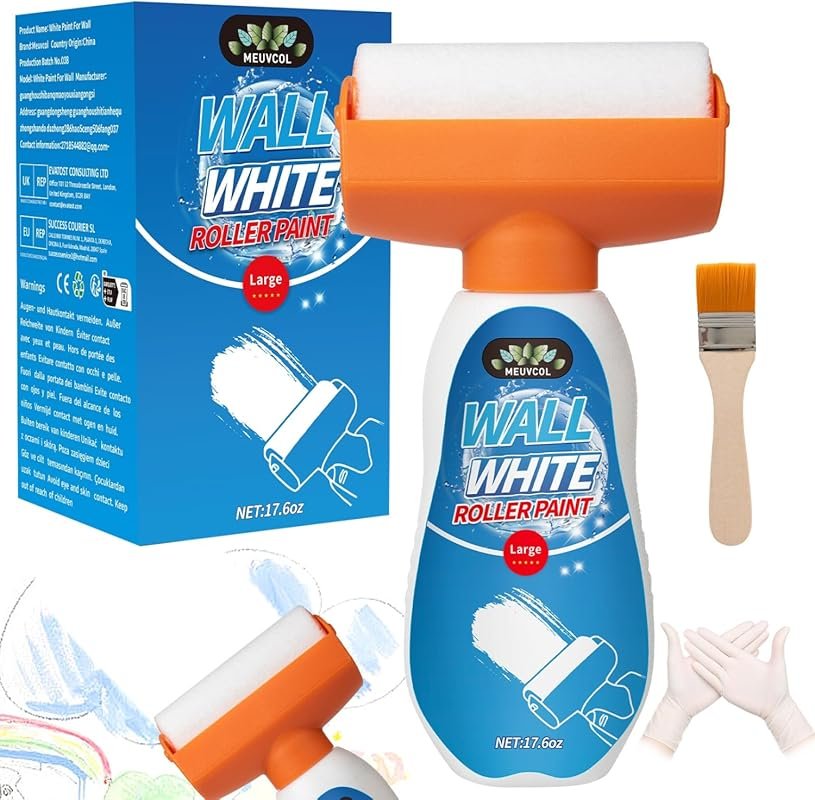
While not a full-scale basement waterproofing solution, the White Paint for Wall, 17.6 Floz Wall Touch Up Paint with Roller is a convenient and essential tool for maintaining the aesthetic of your finished basement walls. For those times you need to address small scuffs, marks, or minor imperfections without repainting an entire section, this all-in-one kit offers a quick and easy fix. It’s a great complementary product to your primary best paint for basement walls choice.
Key Features That Stand Out
- ✓ All-in-one kit including white paint, roller brush, detail brush, and gloves.
- ✓ Formulated as a non-toxic and family-safe paint with low odor.
- ✓ Ideal for professional-looking repairs of daily wall damage like scuffs and crayon marks.
- ✓ Saves money on professional repainting for minor wall imperfections.
Why We Recommend It
We recommend this product for its sheer convenience and effectiveness in managing minor cosmetic damage. Basements, especially those used by families, can accumulate small marks quickly. This kit makes it incredibly easy to keep your walls looking fresh and clean without the hassle of a larger painting project, preserving the overall look achieved by your chosen basement wall paint.
Best For
This touch-up kit is best for finished basement walls that need minor repairs, scuff cover-ups, or quick fixes for everyday wear and tear. It’s perfect for maintaining a pristine look in living areas, playrooms, or home offices located in the basement.
Pros and Cons
Pros:
- Highly convenient all-in-one kit for immediate use.
- Non-toxic and low-odor formula makes it safe for indoor use.
- Excellent for quick touch-ups and minor cosmetic repairs.
- Cost-effective alternative to hiring professionals for small damages.
Cons:
- Small quantity, unsuitable for painting large sections or entire walls.
- Does not offer waterproofing, mold resistance, or other specialized basement paint features.
- Limited to white color, might not match all wall shades perfectly without blending.
Customer Reviews
Customer Review: “This touch-up paint kit is a lifesaver for my finished basement. My kids are always leaving marks, and this lets me clean them right up in minutes without any hassle. The roller is perfect for blending.” – Emily R.
Customer Review: “I was skeptical about a touch-up kit, but this works really well. The paint matches my existing white walls seamlessly, and it’s so easy to use for those little dings and scuffs. Great value!” – Robert H.
Complete Buying Guide for Best Paint For Basement Walls
Choosing the best paint for basement walls can feel a bit overwhelming, but understanding a few key factors will make the process much smoother. Basements are unique environments, often battling moisture and humidity that regular paints aren’t equipped to handle. Let’s break down what you need to consider.
Essential Factors We Consider
When selecting paint for your basement, don’t just grab the cheapest can. Think about the unique challenges your basement faces:
- Moisture Resistance: This is paramount. Look for paints explicitly labeled as “waterproofing,” “water-resistant,” or “vapor barrier.” These are designed to prevent moisture from seeping through your walls, which is crucial for preventing dampness and potential structural damage.
- Mold and Mildew Resistance: Basements are prime breeding grounds for mold and mildew due to humidity. The best paint for basement walls will contain mildewcides to inhibit fungal growth, keeping your space healthier and looking fresh longer.
- Breathability: Some basement walls (especially older ones) need to “breathe” to allow trapped moisture to escape. While a strong waterproof barrier is good, ensure it’s not trapping moisture inside the wall itself, which can lead to other issues. Products like elastomeric coatings offer flexibility and breathability while sealing.
- Durability and Finish: Basement walls can take a beating, especially in utility areas. Choose a paint that offers a durable, washable finish (like satin or semi-gloss) that can stand up to scrapes and can be easily cleaned.
- Ease of Application: You want a paint that goes on smoothly and provides good coverage, reducing the number of coats needed. Look for formulations that are easy to work with using standard brushes and rollers.
- Primer Needs: Many specialized basement paints are self-priming. If not, make sure to use a high-quality masonry primer designed for damp environments to ensure proper adhesion and performance of your topcoat.
Budget Planning
Investing in the right basement paint can save you significant money and headaches down the line. While specialized paints might have a higher upfront cost per gallon than standard interior paint, their longevity and protective qualities make them a more economical choice in the long run. Factor in the cost of primers (if needed), application tools, and any necessary surface preparation materials like crack fillers or cleaning agents. Consider the total cost of the project versus the peace of mind and protection it provides. DIY application can save on labor costs, but remember to set aside enough time for proper preparation and multiple coats if recommended.
Final Thoughts
Ultimately, the best paint for basement walls is one that directly addresses your basement’s specific needs. If you have significant water issues, prioritize a heavy-duty waterproofing sealant. If your basement is mostly dry but prone to humidity, a mold and mildew-resistant paint might be perfect. Always prepare your surfaces properly, ensure the basement is as dry as possible before painting, and don’t hesitate to apply multiple coats for maximum protection. A well-painted basement isn’t just about aesthetics; it’s about creating a healthier, more functional, and protected extension of your home.
Frequently Asked Questions
Q: Why is special paint needed for basement walls?
A: Basement walls are uniquely susceptible to moisture, humidity, and temperature fluctuations, which can lead to issues like peeling paint, efflorescence, and mold growth. Standard interior paints lack the specialized additives and waterproof membranes found in basement-specific paints, making them inadequate for these challenging conditions.
Q: Can I use regular house paint in my basement?
A: It’s generally not recommended. Regular house paint isn’t designed to withstand moisture penetration and can actually trap humidity against the wall, exacerbating issues like peeling, blistering, and the growth of mold and mildew. Investing in a dedicated basement paint or sealant is crucial for long-term protection.
Q: How do I prepare my basement walls for painting?
A: Proper preparation is key. Start by thoroughly cleaning the walls to remove dirt, dust, and any existing mold or mildew. Repair any cracks or holes with appropriate masonry patch or crack filler. Address any active water leaks before painting. Finally, ensure the walls are completely dry before applying any primer or paint.
Q: What’s the difference between waterproofing paint and a sealant?
A: While both aim to stop water, waterproofing paint typically offers a more decorative finish in addition to creating a moisture barrier. Sealants, like liquid rubber, are often thicker, more flexible, and primarily focused on creating a robust, impenetrable membrane against significant water pressure and cracks. Some sealants may require a topcoat for aesthetics.
Q: How many coats of basement paint should I apply?
A: Most manufacturers recommend at least two coats for optimal coverage and maximum protection, especially for waterproofing paints. For very porous surfaces or areas with persistent moisture issues, additional coats might be beneficial. Always follow the specific instructions on the product label for the best results.
There you have it – our comprehensive guide to finding the best paint for basement walls! We understand that choosing the right product can make all the difference in transforming your basement into a drier, healthier, and more inviting space. Whether you’re battling persistent dampness with a heavy-duty waterproofing sealant or simply want a durable, attractive finish for a frequently used area, our top picks offer solutions for every need.
Remember, a little research and the right product choice can save you a lot of hassle and expense down the road. Don’t settle for less when it comes to protecting your home’s foundation. Explore our recommendations, consider your basement’s unique challenges, and make an informed decision to enjoy a beautiful and resilient basement for years to come. Ready to tackle your basement project? Click on the “Check Price on Amazon” buttons above to find the perfect paint for your needs!