10 Best Paints for Concrete Basement Walls in 2026 – Expert Reviews
Choosing the best paint for concrete walls in basement spaces means weighing durability, moisture resistance, and finish. A quality coating will seal against basement humidity while making walls easier to clean and maintain. In this roundup, you’ll find top picks that perform well on concrete walls and concrete basement surfaces, so you can transform a damp, dull space into something brighter and more livable.
Quick Product Comparison
Our Top 10 Best Paint For Concrete Walls In Basement Reviews – Expert Tested & Recommended
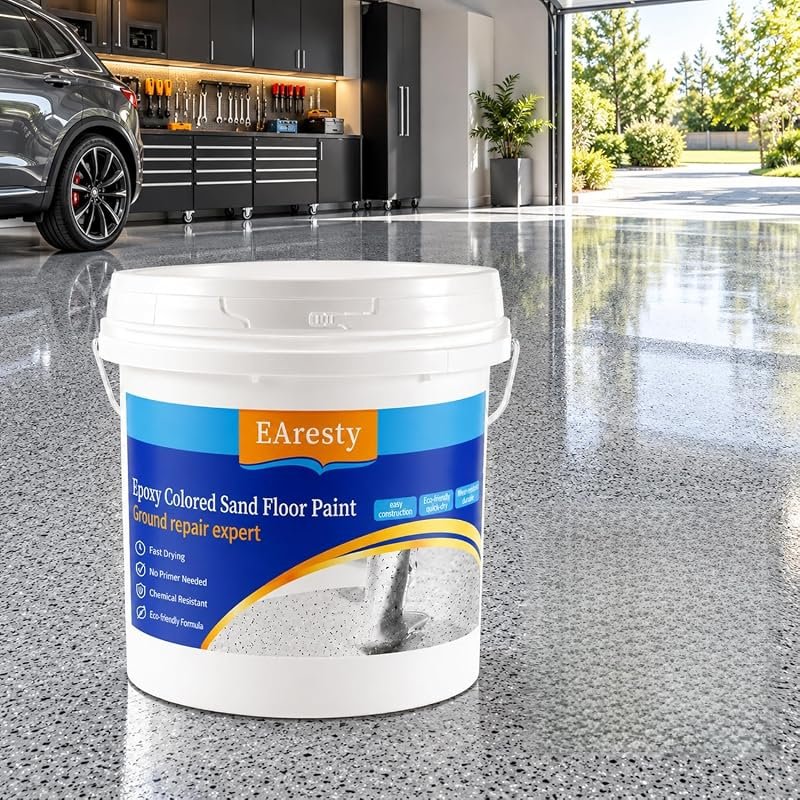
1. Epoxy Colored Sand Floor Paint
intro text here (2-3 sentences only)
Key Features That Stand Out
- ✓ High-gloss marble-like finish that elevates dull concrete walls.
- ✓ Self-leveling formula for a smooth, even surface on walls and floors.
- ✓ Durable, wear-resistant coating designed for busy basements.
- ✓ Textured finish that hides minor imperfections for a polished look.
Why We Recommend It
The epoxy finish delivers a durable, easy-to-clean surface that stays visually striking in moisture-prone basements. It’s a great choice when you want a stylish, resilient coat that stands up to everyday use.
Best For
Best for basement walls and concrete floors that endure moisture and frequent cleaning.
Pros and Cons
Pros:
- Beautiful, premium look with marble-like texture.
- Excellent durability and moisture resistance.
- Easy to clean and maintain over time.
Cons:
- Higher price point than basic masonry paints.
- Requires thorough surface prep for best adhesion.
Customer Reviews
Customer Review: “This epoxy paint gives a high-gloss marble look and stood up to moisture in our basement.” — Tina M.
Customer Review: “The texture hides minor wall flaws and cleans easily; it transformed our basement.” — David R.
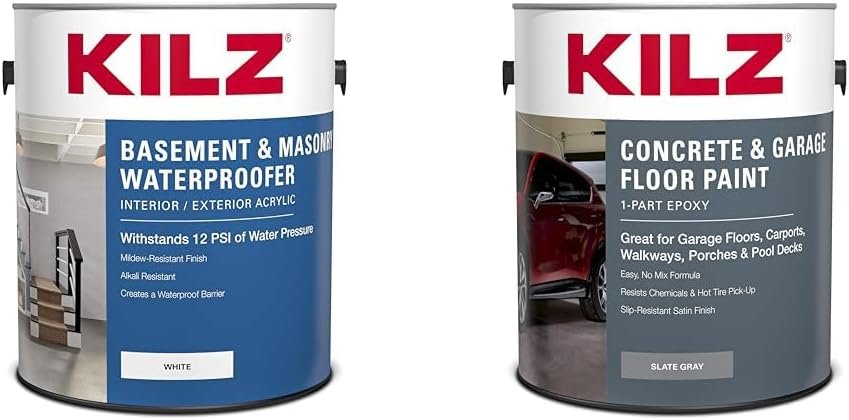
2. KILZ 1-Gallon Basement Masonry Kit
intro text here (2-3 sentences only)
Key Features That Stand Out
- ✓ Waterproofing capability helps protect basement walls from moisture.
- ✓ Satin finish provides a balanced sheen that hides imperfections.
- ✓ Versatile interior/exterior use for walls, masonry, and concrete surfaces.
- ✓ Easy cleanup with water-based formulation.
Why We Recommend It
Excellent for a basement where moisture is a concern. The kit offers both waterproofing and satin finish in one package, simplifying the project.
Best For
Ideal for interior basement walls and masonry surfaces that see damp conditions.
Pros and Cons
Pros:
- Strong waterproofing performance.
- Flexible application on multiple masonry surfaces.
- Low odor for a basement environment.
Cons:
- May require sealing or priming on very porous surfaces.
- Some users report longer dry times in cooler basements.
Customer Reviews
Customer Review: “Went on smoothly and covered a lot of wall with two coats. Basement feels drier already.” — Rob K.
Customer Review: “Performs as advertised; the waterproofing aspect is a big plus for our damp walls.” — Linda W.
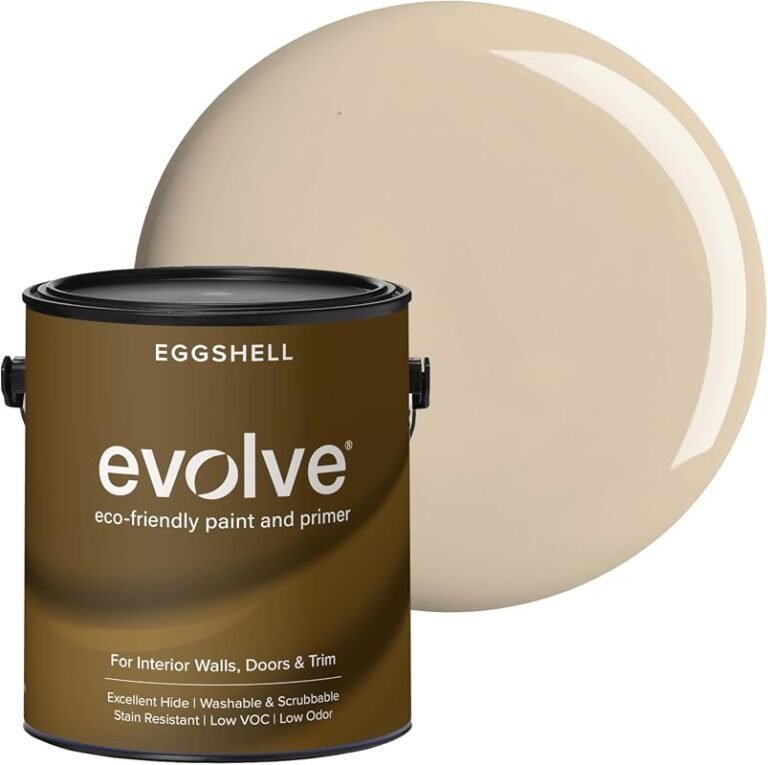
3. EVOLVE Tan Porch Floor 1G
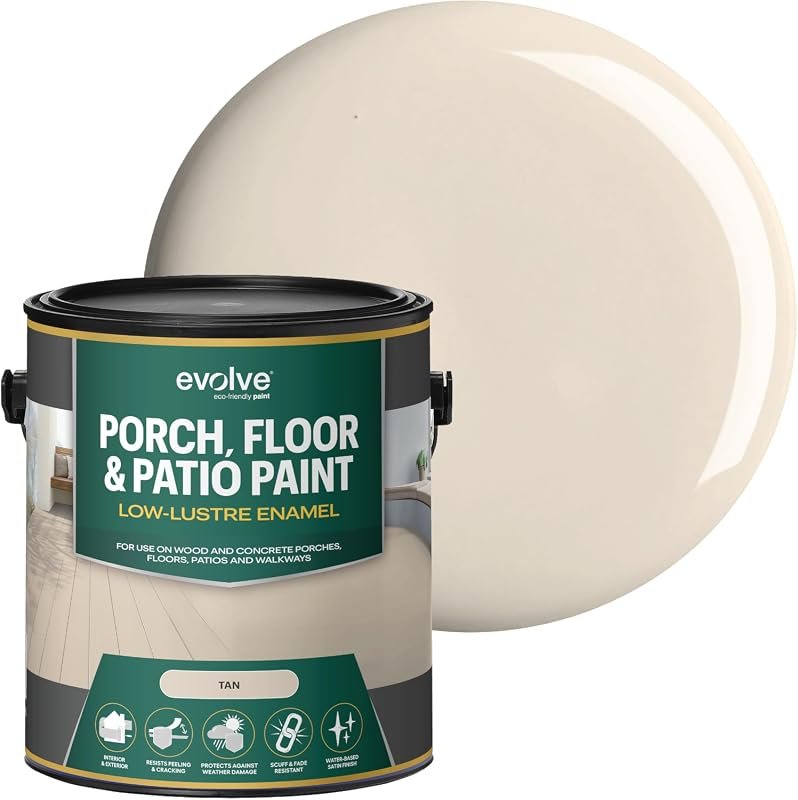
intro text here (2-3 sentences only)
Key Features That Stand Out
- ✓ Heavy-duty formula designed for high-traffic areas.
- ✓ Scratch-resistant surface that handles daily wear.
- ✓ Low VOC and fade-resistance for safer indoor use.
- ✓ Multi-surface compatibility for versatile projects.
Why We Recommend It
Great value for a porch-floor-friendly coating that can also work on basement walls when you need a tough, fade-resistant finish.
Best For
Best for interior spaces needing a durable, low-odor coating that tolerates foot traffic.
Pros and Cons
Pros:
- Excellent durability at a reasonable price.
- Low odor compared to solvent-based paints.
- Good coverage per gallon for small basements.
Cons:
- Not a traditional masonry basement wall paint; may require priming on very porous walls.
- Finish is best on flat surfaces; may show imperfections on rough walls.
Customer Reviews
Customer Review: “Solid value and a surprisingly tough finish. Our basement walls look better than expected.” — Jordan P.
Customer Review: “Covers well and dries quickly. A good option for a budget-friendly basement refresh.” — Amy S.
4. EVOLVE Light Gray Porch Floor
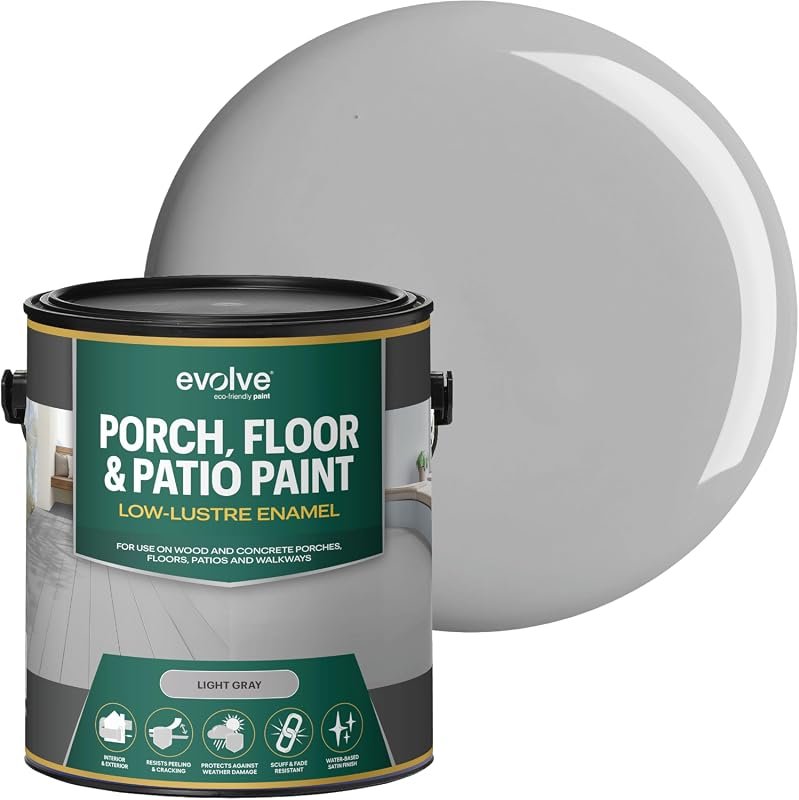
intro text here (2-3 sentences only)
Key Features That Stand Out
- ✓ Low odor and low VOC formulation.
- ✓ Durable finish that resists scuffs from shoes and furniture.
- ✓ Multi-surface compatibility for quick basement refreshes.
- ✓ Easy soap-and-water cleanup.
Why We Recommend It
Offers a practical balance of durability and ease of use for basement projects where you want a lighter, clean look.
Best For
Best for basements that require a low-odor option with solid abrasion resistance.
Pros and Cons
Pros:
- Low odor makes it suitable for home use.
- Nice mid-tone gray that hides dust and imperfections.
- Good coverage per gallon for small to medium basements.
Cons:
- Not ideal for heavily damp walls without proper prep.
- Finish may appear flat on very rough surfaces.
Customer Reviews
Customer Review: “Smells minimal and the gray tone brightens the basement without feeling clinical.” — Karen T.
Customer Review: “Held up well against moisture and cleaning; would buy again.” — Eric L.
5. YOA Professional Concrete Garage Floor Paint
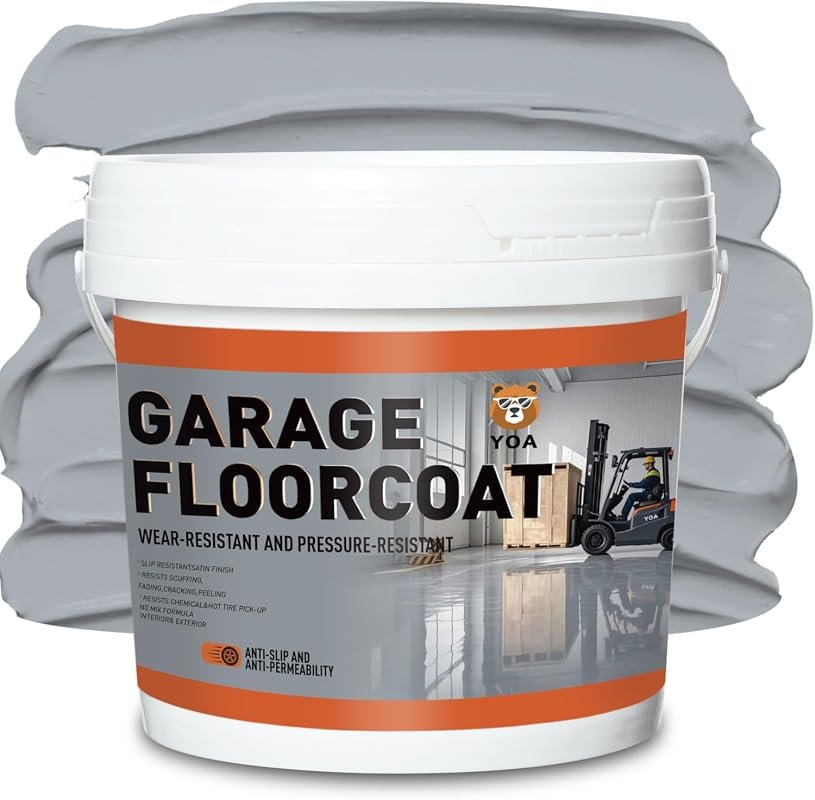
intro text here (2-3 sentences only)
Key Features That Stand Out
- ✓ Acrylic resin formula for durable, scratch-resistant finish.
- ✓ Good coverage on concrete walls and garage surfaces.
- ✓ Low VOC for a safer basement environment.
- ✓ Quick-drying and easy to clean.
Why We Recommend It
Great option when you want a professional-grade look without a harsh chemical odor, ideal for basements with limited ventilation.
Best For
Best for garage and basement walls that require a durable, low-odor coating.
Pros and Cons
Pros:
- Durable finish that resists scuffs and scrapes.
- Low odor and low VOC formulation.
- Solid coverage per gallon.
Cons:
- Not a moisture barrier; use with proper surface prep in damp areas.
- Colors may appear slightly different on large walls.
Customer Reviews
Customer Review: “Covers well and looks professional. Minimal odor was a plus.” — Jessica A.
Customer Review: “Stays true after cleaning; would recommend for basement walls.” — Mark D.
6. INSL-X TuffCrete 1G Light Gray Paint
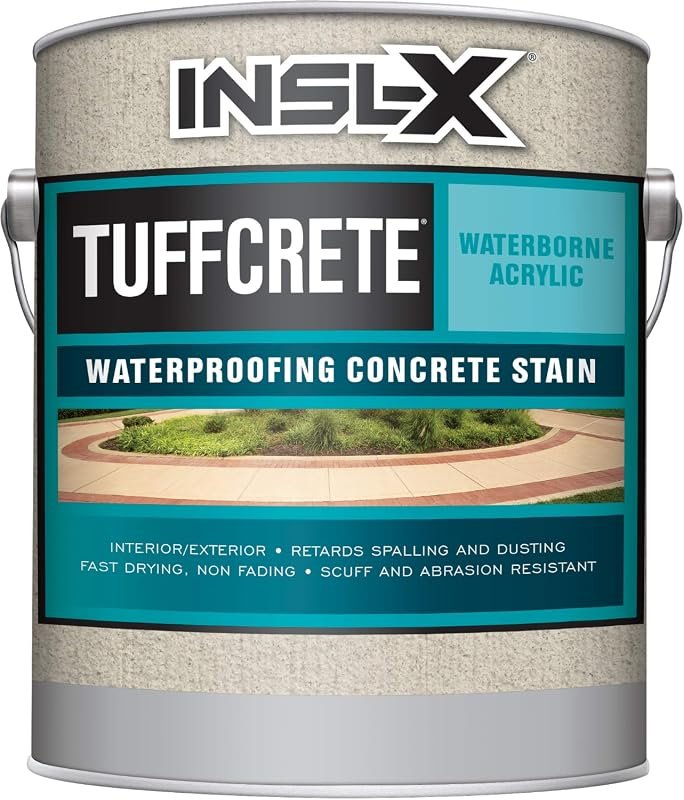
intro text here (2-3 sentences only)
Key Features That Stand Out
- ✓ One-coat or two-coat options for different opacity levels.
- ✓ Resists detergents and scrubbing for long-term durability.
- ✓ Suitable for interior and exterior masonry surfaces.
- ✓ Quick drying to minimize downtime.
Why We Recommend It
Offers a versatile staining option that can be used as a transparent stain or more opaque finish, useful for basement masonry walls.
Best For
Best for walls where you want a durable, waterborne finish with strong stain resistance.
Pros and Cons
Pros:
- Fast drying and easy application.
- Good odor control for indoor use.
- Excellent adhesion to masonry surfaces.
Cons:
- Opaque color options are limited; may require multiple coats for full opacity.
- May require a sealer in very damp basements for maximum moisture resistance.
Customer Reviews
Customer Review: “Very forgiving for a DIY project; sticks well to rough walls.” — Kevin B.
Customer Review: “Hides wall imperfections and cleans up nicely.” — Olivia N.
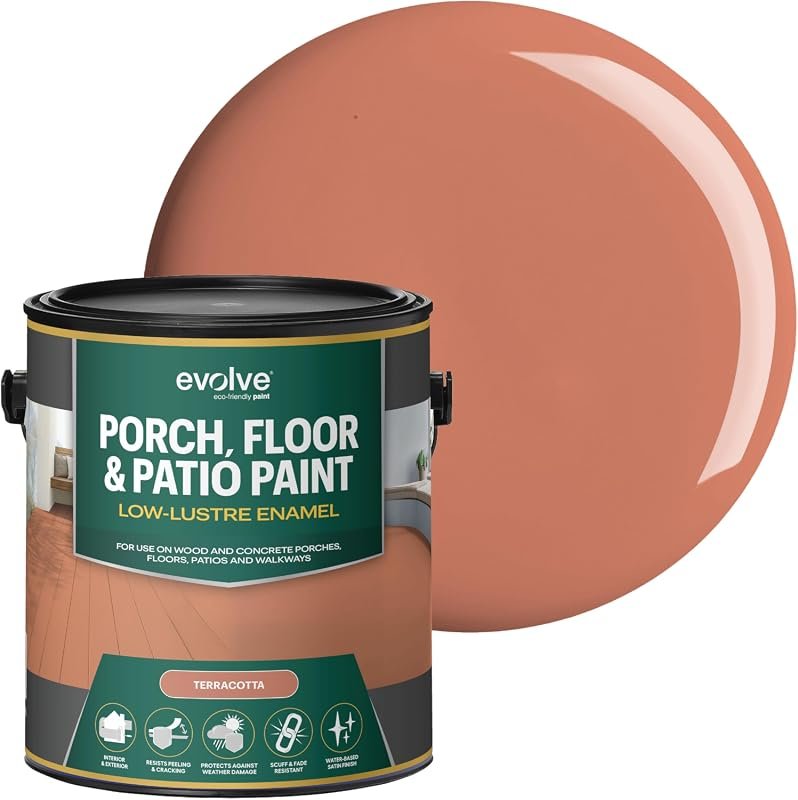
7. EVOLVE Terracotta 1G Porch Floor
intro text here (2-3 sentences only)
Key Features That Stand Out
- ✓ Terracotta tone adds warmth to basement corners.
- ✓ Durable, scratch-resistant surface for high-traffic areas.
- ✓ Multi-surface compatibility for quick refresh projects.
- ✓ Low odor and fade resistance for safer indoor use.
Why We Recommend It
Great for basement accents or walls where you want a warm, earthy look combined with practical durability.
Best For
Best for decorative basement walls and entryways where a terracotta hue fits the design.
Pros and Cons
Pros:
- Strong color consistency and heat resistance for indoor spaces.
- Easy to apply with even coverage.
- Good resistance to scuffs and wear.
Cons:
- May require a primer on very porous concrete.
- Color variation on very rough surfaces if not primed.
Customer Reviews
Customer Review: “The terracotta tone adds a cozy vibe; easy to apply.” — Dana H.
Customer Review: “Durable and looks great after cleaning; would buy again.” — Chris P.
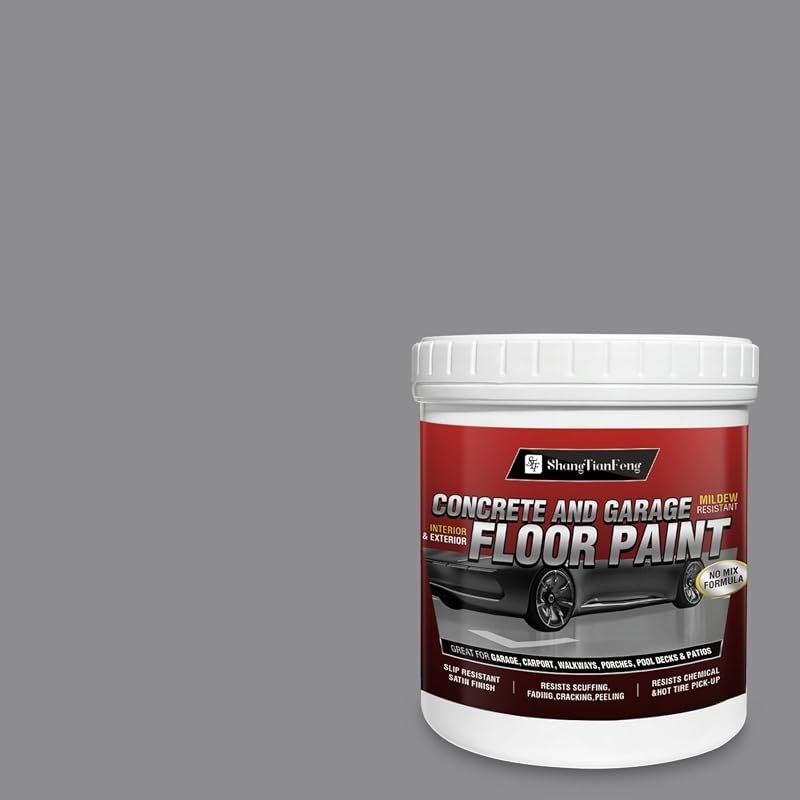
8. Professional Floor Paint Kit Silver Gray 5G
intro text here (2-3 sentences only)
Key Features That Stand Out
- ✓ High-coverage formula for large basement areas.
- ✓ Satin finish provides a steady, professional look.
- ✓ Enhanced slip resistance for safer spaces.
- ✓ Resists chemicals and stains from everyday use.
Why We Recommend It
Ideal for bigger basement projects where you want a durable, uniform finish across walls and floors.
Best For
Best for basement garages and large utility spaces that need a reliable, long-lasting coating.
Pros and Cons
Pros:
- Excellent coverage per gallon.
- Durable against everyday basement environments.
- Stays true to color after cleaning.
Cons:
- Heavier to transport; may require two coats for extra opacity.
- Longer cure times in low-temperature basements.
Customer Reviews
Customer Review: “Excellent kit for a full basement refresh; saved time on multiple coats.” — Aaron G.
Customer Review: “The finish looks professional and holds up well to scrubbing.” — Megan F.
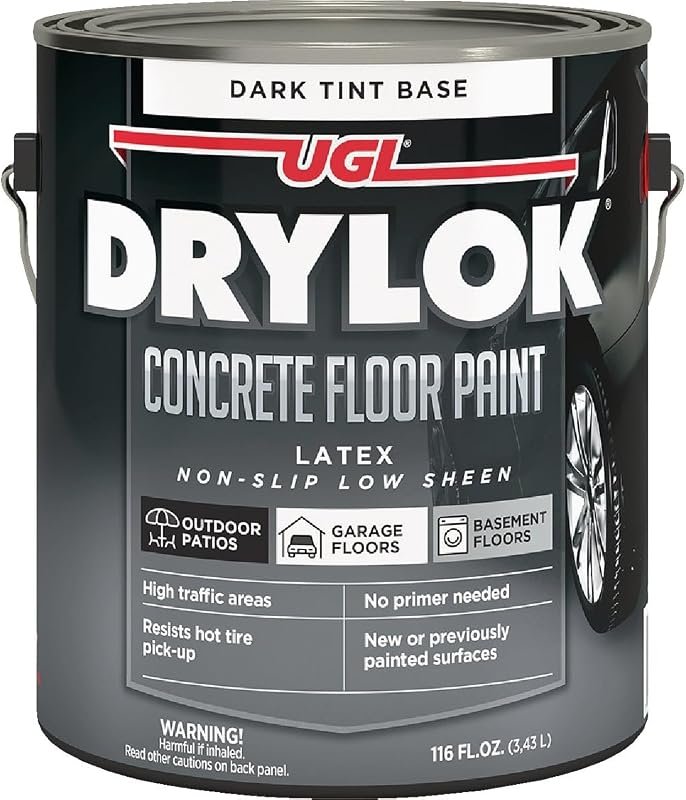
9. Drylok 43813 Concrete Floor 1G
intro text here (2-3 sentences only)
Key Features That Stand Out
- ✓ Non-slip base helps reduce slips on wet basement floors.
- ✓ Waterproof protection with a durable latex-based formula.
- ✓ Suitable for concrete, masonry, and concrete floors.
- ✓ Easy to clean with soap and water.
Why We Recommend It
Choose this for a basement that doubles as a workshop or utility area where spills happen and durability matters.
Best For
Best for basement floors that require moisture resistance and slip safety.
Pros and Cons
Pros:
- Strong moisture resistance.
- Good slip resistance for safety.
- Reliable coverage on concrete floors.
Cons:
- Finish may be more satin than glossy—choose if you want a shinier look.
- Colors are more limited; may need touch-ups for exact match.
Customer Reviews
Customer Review: “Non-slip protection works great in a basement workshop.” — Kevin S.
Customer Review: “Waterproofing held up after a damp winter; very satisfied.” — Paula R.
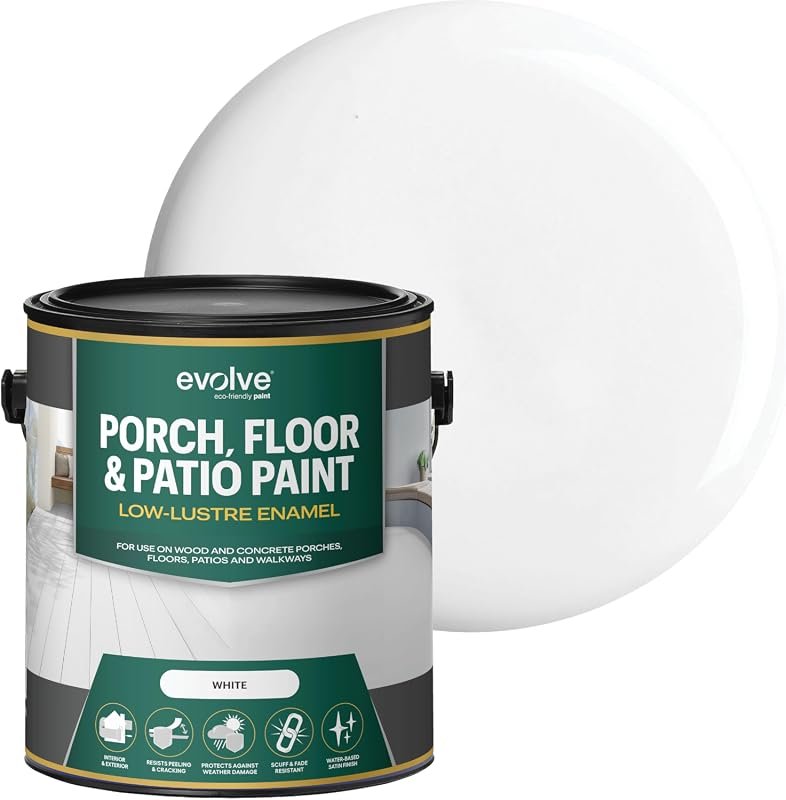
10. EVOLVE White Porch Floor Paint 1G
intro text here (2-3 sentences only)
Key Features That Stand Out
- ✓ White finish brightens basements and creates a clean look.
- ✓ Durable, scratch-resistant surface for high-traffic areas.
- ✓ Low VOC formula safe for indoor spaces.
- ✓ Multi-surface compatibility for ease of use.
Why We Recommend It
Ideal when you want a bright, crisp finish that’s easy to maintain and resists everyday wear.
Best For
Best for basements where you want a light, reflective surface with durable protection.
Pros and Cons
Pros:
- Bright white color that enlarges spaces.
- Durable and easy to clean.
- Low odor for comfortable indoor use.
Cons:
- Shows dust more easily on glossy surfaces.
- May require frequent cleaning to maintain brightness.
Customer Reviews
Customer Review: “Brightens the basement walls and stands up to scrubbing.” — Paula K.
Customer Review: “Great coverage and easy to apply; would buy again.” — Aaron C.
Complete Buying Guide for Best Paint For Concrete Walls In Basement
Essential Factors We Consider
When picking a basement-ready paint, look for moisture resistance, adhesion to concrete, low odor, and durability. We also weigh how easy it is to clean, how well the finish hides flaws, and whether the coating is suitable for walls or floors. Safety and VOC levels matter for enclosed spaces.
Budget Planning
Expect to spend per gallon depending on brand and finish. Plan for two coats in most cases and factor in surface prep costs. For larger basements, a 5-gallon kit might offer better value and consistent finish, especially for a coordinated look on walls and floors.
Final Thoughts
Choosing the right paint for concrete walls in basement spaces blends practicality with aesthetics. Prioritize moisture resistance and adhesion, then pick a color and finish that brightens the area while staying durable over time.
Frequently Asked Questions
Q: Is concrete basement wall paint waterproof?
A: Most paints aren’t fully waterproof on their own. Look for products designed for masonry with moisture resistance and consider a dedicated concrete sealant or waterproofing primer for best results.
Q: Do I need a primer for basement walls?
A: Yes, priming helps improve adhesion and durability, especially on porous concrete. A penetrating primer typically works well with masonry paints.
Q: Can I use porch floor paint on basement walls?
A: Porch and floor paints are formulated for high-traffic floors; interior masonry paints are usually better for walls. If you must use porch-grade products, ensure they are compatible with vertical masonry surfaces and follow label guidance.
Q: How many coats are needed?
A: Most basement projects need two coats for even color and protection, plus any touch-ups after curing. Follow the product’s guidance for best results.
Q: Are there low-VOC options for basements?
A: Yes. Many basement-friendly paints come in low-VOC formulations, which reduce fumes and improve indoor air quality during and after application.
Ready to refresh your basement walls? With the right paint, you can boost moisture resistance, improve appearance, and make the space feel more inviting. Start by assessing the surface, choosing a product with strong adhesion and moisture protection, and planning your coats for a smooth, durable finish.