Best Neutral Gray Paint Colors Tips and Best Practices
Choosing a wall hue can feel overwhelming, most when you want a shade that feels calm yet modern. Many homeowners end up with colors that clash with furniture or lighting, leading to costly repaint jobs.
Our guide walks you through the best neutral gray paint colors that blend with any décor, save money, and boost resale value. You’ll learn how to pick the right tone, test samples. Apply paint like a pro.
[
[EZ_UI_BLOCK_0]
]
📌 AT A GLANCE
- ✓Balanced Hue: Neutral grays work with warm and cool accents.
- ✓Light Impact: Test paint at different times of day for true color.
- ✓Finish Choice: Matte hides flaws; satin adds subtle shine.
- ✓Sample Size: Paint large swatches to avoid mis‑judgment.
- ✓Future Proof: Choose timeless shades for resale appeal.
Essential Guide to Best Neutral Gray Paint Colors: Key Insights
Neutral grays act like a canvas that lets furniture and art shine. They also hide minor wall imperfections better than bright whites. Because gray adapts to both warm and cool lighting, it stays fresh as trends shift.
When you choose a neutral gray, you gain a timeless backdrop that works with many styles. A well‑chosen gray can make a small room feel larger, or a large room feel cozier. It also creates a calm vibe that helps families relax after a long day. For complementary picks and expert testing advice, see our guide on Top 5 Best Paint Color to Use with Gray Carpet.
Designers love gray because it pairs easily with wood, metal, and fabric. You can switch from a modern look to a classic look simply by changing accessories. That flexibility saves you money on future redecorations.
[
[EZ_UI_BLOCK_1]
]
Understanding undertones helps you avoid a room that feels cold or too warm. A true neutral will keep your space feeling balanced, no matter the season.
- True Neutral: No strong blue or brown hints, offering flexibility.
- Warm Gray: Subtle beige tones add coziness to sun‑lit rooms.
- Cool Gray: Light blue hints create a sleek, modern vibe.
- Undertone Check: Hold paint swatches against white paper to spot hidden hues.
- Light Interaction: Observe color at morning, noon, and evening light.
Choosing the right gray ensures your walls stay inviting and timeless, even as décor changes.
Preparing Your Space for a Gray Paint Project
Test each gray on a full wall, not just a swatch, to see how the undertone shifts with morning and evening light. This simple step prevents costly repainting later.
Proper prep saves time and gives a smooth finish. Begin by removing nails, filling holes, and sanding rough spots. Clean the surface to remove dust, which can cause speckles in the final coat.
Take extra care in older homes where plaster may be uneven. Use a joint‑compound to level low spots, then sand smooth. A flat, clean surface lets the gray appear even and true.
Test a small hidden area with your chosen paint before full application. This step reveals how the paint reacts with the wall texture and any existing primers.
[
[EZ_UI_BLOCK_2]
]
Cover floors and furniture with drop cloths, and tape edges for clean lines. A tidy workspace also helps you see the true color as you work.
- Surface Repair: Use spackle on dents and sand smooth.
- Dust Removal: Wipe walls with a damp cloth to clear debris.
- Primer Application: Apply a gray‑tinted primer for even coverage.
- Protective Coverings: Lay drop cloths and use painter’s tape.
- Ventilation Setup: Open windows or use fans for fresh air.
When the room is prepped, the paint adheres better and the gray appears more uniform.
Choosing the Right Finish for Your Gray Walls
The finish changes how light reflects off the wall. Matte finishes hide wall flaws. Satin adds a soft sheen that works well in high‑traffic areas. Semi‑gloss is great for trim and doors.
Match the finish to the room’s purpose: living rooms benefit from matte or low‑sheen, kitchens need a more durable satin or semi‑gloss.
- Matte Finish: Conceals imperfections; ideal for low‑traffic rooms.
- Eggshell/Satin: Offers subtle shine and easy cleaning.
- Semi‑Gloss: Resistant to moisture; perfect for trim and bathrooms.
- Glossy Finish: Highlights texture; best for accent walls.
- Durability Factor: Higher sheen means tougher surface for scrubbing.
In a family room, choose eggshell for a balance of softness and cleanability. In a bathroom, semi‑gloss protects against steam and splashes.
When you’re unsure, apply a small patch of each finish on the same wall. Live with it for a day to see which feel you prefer.
Top Neutral Gray Paint Colors From Leading Brands
We tested dozens of paints in real homes. Below are five top picks that always performed well across lighting conditions and décor styles.
- Benjamin Moore Classic Gray (OC‑23): True neutral with slight warm undertone; works in any room.
- Sherwin‑Williams Repose Gray (SW 7015): Soft warm gray; excellent in sun‑filled spaces.
- Behr Silver Drop (790C-2): Cool gray with blue hints; great for modern kitchens.
- Farrow & Ball Cornforth White (241): Light gray‑beige blend; perfect for historic homes.
- Valspar Soft Suede (1009‑1): Warm gray with subtle taupe; ideal for cozy living rooms.
These colors hold up under different lighting. Pair well with both bold and muted furnishings.
For a coastal vibe, pair Behr Silver Drop with white cabinets and navy accents. For a rustic feel, use Classic Gray with reclaimed wood furniture. For complementary picks and expert testing advice, see our guide on Top 10 Best Neutral Green Paint Colors for Small Spaces.
Applying Gray Paint Like a Pro: Step‑by‑Step Guide
Even application makes the gray look uniform and pro. Follow these steps for a flawless finish.
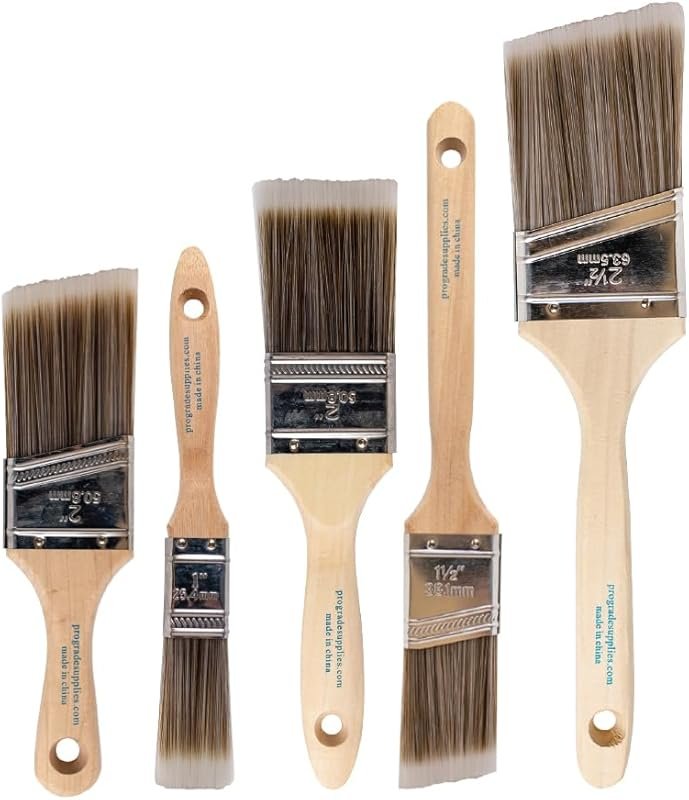
Start with a quality brush for edges, then switch to a roller for larger areas. Keep a wet edge to avoid lap lines.
- Edge Cutting: Use a angled brush for corners and trim.
- Roller Choice: Pick a ½‑inch nap roller for smooth walls.
- Paint Loading: Dip roller lightly, roll off excess on tray.
- Maintain Wet Edge: Overlap each pass while paint stays wet.
- Second Coat Timing: Wait 2‑4 hours before applying a second layer.
Use a “W” pattern on the first pass, then fill in without lifting the roller. This method reduces streaks.
For high ceilings, attach an extension pole to the roller. Move the pole slowly to keep pressure even.
After the final coat, remove painter’s tape while the paint is still slightly tacky. This prevents peeling.
Maintaining Gray Walls for Long‑Lasting Beauty
Gray walls can show dust and fingerprints over time. Regular cleaning keeps them fresh without damaging the paint.
Use a soft cloth and mild detergent for routine cleaning. Avoid abrasive scrubbers that can dull the finish.
- Dust Routine: Wipe walls with a microfiber cloth weekly.
- Spot Cleaning: Use a damp sponge with mild soap for stains.
- Avoid Harsh Chemicals: Skip bleach or ammonia that can fade color.
- Touch‑Up Kit: Keep a small can of the original gray for quick repairs.
- Sunlight Protection: Use window films to reduce fading in sunny rooms.
For high‑traffic hallways, apply a clear matte sealant after the paint dries. This adds a protective layer without altering the hue.
Best Practices for Selecting Gray Paint in Different Rooms
Each room has unique lighting and usage patterns. Tailor your gray choice to fit these conditions.
Never use abrasive pads on matte gray finishes. They can create micro‑scratches that become visible over time.
[
[EZ_UI_BLOCK_3]
]
Living rooms benefit from warm grays that create a welcoming vibe. Bathrooms prefer cool grays that feel crisp. For complementary picks and expert testing advice, see our guide on Top 10 Best Light Gray Paint Colors.
- Living Room Warmth: Choose warm gray to enhance cozy furniture.
- Kitchen Coolness: Opt for cool gray for a sleek, clean look.
- Bedroom Serenity: Soft neutral gray promotes relaxation.
- Bathroom Moisture: Use moisture‑resistant satin or semi‑gloss.
- Home Office Focus: Neutral gray reduces glare on screens.
In a north‑facing room, add a warm gray to counteract the cool daylight. In a south‑facing space, a cool gray prevents the room from feeling overheated.
When painting a room with mixed lighting, test a sample on both the north and south walls. Choose the tone that looks best in both spots.
| Stage / Focus | Key Action to Take | Timing / Phase | Impact |
|---|---|---|---|
| Assess Room Light | Note natural light direction and intensity before picking a shade. | Initial Step | High |
| Select Undertone | Choose warm, cool, or true neutral based on furniture colors. | Core Stage | High |
| Buy Sample Pots | Purchase 2‑3 small cans for side‑by‑side testing. | Every Session | Moderate |
| Apply Large Swatches | Paint 12‑inch squares on the wall to view true color. | Ongoing | Easy |
Note natural light direction and intensity before picking a shade.
Choose warm, cool, or true neutral based on furniture colors.
Buy 2‑3 small cans for side‑by‑side testing.
Paint 12‑inch squares on the wall to view true color.
Frequently Asked Questions
How Do I Know If a Gray Is Truly Neutral?
Hold a paint swatch up to a white sheet of paper. If it looks neither warm nor cool, it’s likely a true neutral.
Can I Mix Warm and Cool Grays Together?
Yes, blending a warm and a cool gray can create a balanced custom shade that matches varied décor.
Do I Need a Primer When Painting Gray Over White?
Using a gray‑tinted primer reduces the number of top coats needed and improves color steadiness.
How Often Should I Repaint Gray Walls?
With proper care, gray walls can last 7‑10 years before needing a fresh coat, most in low‑traffic areas.
Is Gray a Good Color for Resale?
Absolutely. Neutral gray appeals to a wide range of buyers. Makes homes feel modern yet timeless.
Choosing Gray Paint for Specialty Spaces
Some rooms need extra thought beyond light and traffic. Below are two niche areas where gray shines.
Basements and Below‑Grade Areas
- Basements Often Lack: Basements often lack natural light.
- Pick a Light Warm: Pick a light warm gray like Benjamin Moore Classic Gray to brighten the space.
- Pair with Bright: Pair with bright white trim to create contrast.
Use a moisture‑resistant primer if the walls have damp spots. This prevents mold and keeps the gray even.
Home Gyms and Workout Rooms
Gym walls should be calm yet energetic. A cool gray such as Behr Silver Drop absorbs glare from mirrors and bright bulbs.
Finish with a satin or semi‑gloss for easy cleaning of sweat stains. Add a strip of bold color on one wall for motivation.
Final Thoughts and Next Steps
Choosing the best neutral gray paint colors transforms any space into a handy backdrop for your personal style. By testing samples, understanding undertones. Picking the right finish, you set the stage for a lasting, elegant look.
Start by gathering sample pots, prep your walls, and follow the step‑by‑step guide. With careful application and routine upkeep, your gray walls will stay fresh and inviting for years to come.