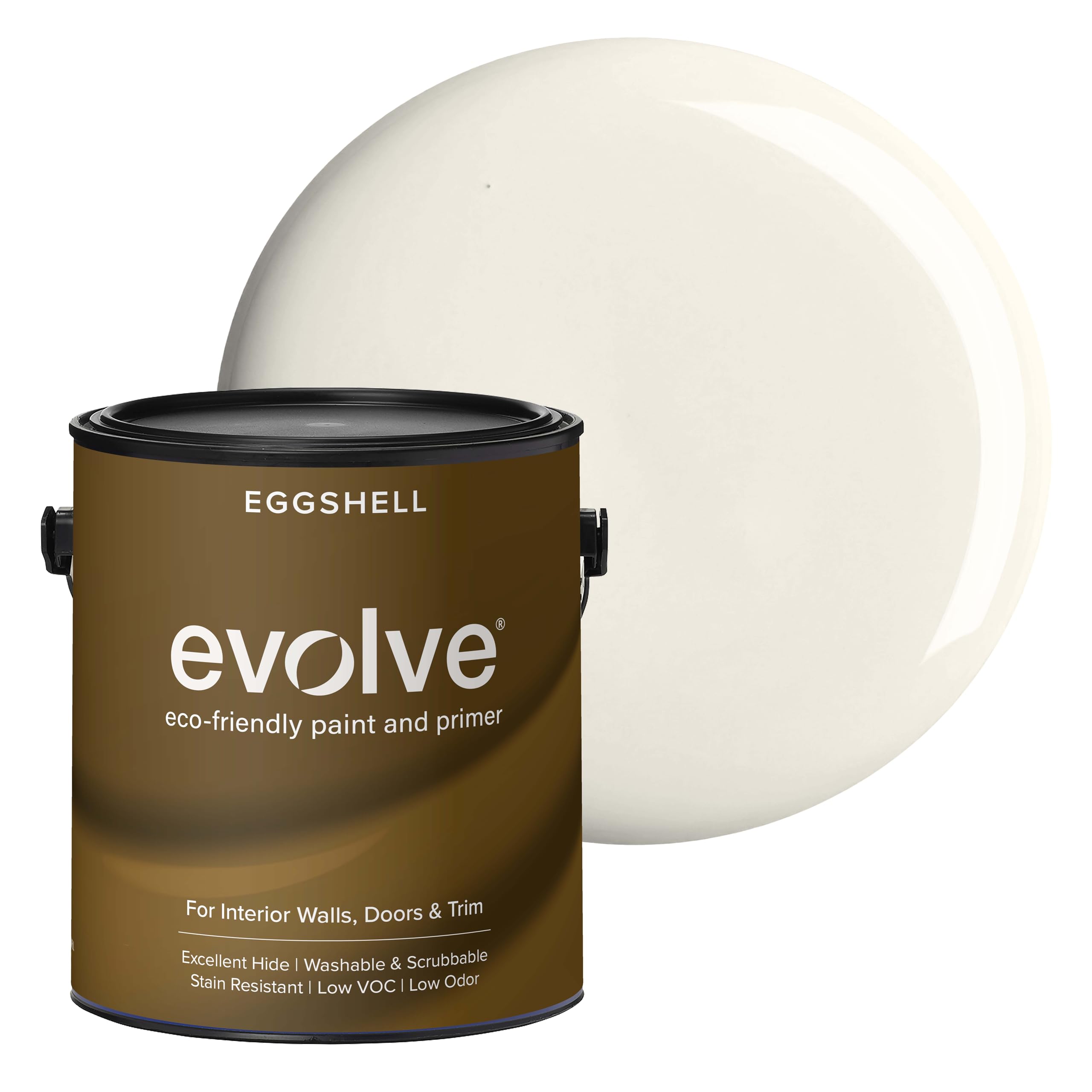
Best Paint Colors for Whole House for Beginners
Choosing a hue for every room can feel overwhelming, most when the wrong shade makes a space feel cramped or dated. Homeowners often spend weeks testing swatches only to end up with colors that clash or fade quickly.
In this guide we reveal how to select the best paint colors for whole house that flow naturally from room to room, boost resale value, and match your lifestyle. You’ll learn proven strategies, expert tips. Actionable steps to create a cohesive look without endless guesswork.
📌 AT A GLANCE
- ✓Color Flow: Learn how to create seamless transitions between rooms.
- ✓Light Impact: Understand how natural and artificial light changes paint perception.
- ✓Style Alignment: Match colors to architectural style and décor trends.
- ✓Budget Savvy: Pick cost‑strong paints that still look premium.
- ✓Maintenance Tips: Keep walls fresh with simple upkeep routines.
Why Choosing the Best Paint Colors for Whole House Matters: Key Fundamentals
Every paint decision affects a home’s mood, energy use, and market appeal. A well‑chosen palette can make small rooms appear larger, highlight architectural details, and even improve mood. Conversely, mismatched colors can lower perceived value and create visual clutter.
Walk each room at sunrise, noon, and sunset, noting how light changes the space.
Pick a dominant color for main living areas that will guide secondary shades.
Sketch a floor plan and assign complementary tones to adjoining rooms.
Paint 2‑ft sections on multiple walls to see real‑world interaction before committing.
Understanding the fundamentals helps you avoid costly repainting later. Below we outline the core ideas that guide successful whole‑house color planning. For complementary picks and expert testing advice, see our guide on Top 5 Whole-House Paint Colors 2026 – Expert Picks.
- Light Interaction: Sunlight and artificial lighting shift hues throughout the day, altering the look of each room.
- Color Temperature: Warm tones add coziness, while cool tones promote calm and spaciousness.
- Flow Consistency: Connecting colors across adjacent spaces creates a unified feel.
- Style Compatibility: Historic homes benefit from period‑appropriate palettes, modern homes from crisp neutrals.
- Durability Factors: High‑traffic areas need tougher finishes and fade‑resistant pigments.
By mastering these basics you set a solid foundation for a polished, harmonious home.
Preparation Routine: Getting Your Home Ready for Painting
Proper prep saves time, money, and ensures a smooth finish. Start by clearing furniture, repairing cracks, and cleaning surfaces to remove dust and grease.
Use a paint visualizer app to upload photos of each room. This speeds up color comparison and reduces the need for physical swatches.
Next, protect floors and trim with drop cloths and painter’s tape. A clean, primed surface lets paint adhere better and reduces the need for extra coats.
- Surface Inspection: Look for nail pops, water stains, and peeling paint that need repair.
- Repair Work: Fill cracks with spackle, sand smooth, and let dry fully.
- Cleaning Process: Use a mild detergent solution to wash walls, then rinse and dry.
- Priming Needs: Apply primer on new drywall, repaired spots, or dark surfaces.
- Masking Accuracy: Tape edges of windows, doors, and trim for crisp lines.
Taking these steps ensures the final color looks vibrant and lasts longer.
Choosing a Cohesive Color Palette
Start with a base color that reflects your style and the home’s architecture. Then, select complementary shades for secondary rooms. Use the 60‑30‑10 rule: 60% dominant hue, 30% secondary, and 10% accent.
Consider the room’s purpose, natural light, and existing furnishings when narrowing choices. Modern homes often thrive on neutral bases with bold accent walls. Traditional homes favor warm, earthy tones.
- Base Neutral: Choose a handy shade like greige or soft taupe for living areas.
- Accent Warmth: Add a richer hue such as deep navy or sage in bedrooms.
- Contrast Balance: Use lighter tones in kitchens to keep the space bright.
- Trim Harmony: Pair walls with slightly lighter or darker trim for depth.
- Sample Swatches: Test each color on adjacent walls to see interaction.
Following this method helps you achieve a fluid look from room to room.
Finishes and Sheens: Matching Paint Types to Room Demands
The right sheen affects strength, cleanability, and visual texture. High‑traffic zones like kitchens and bathrooms benefit from satin or semi‑gloss finishes. Bedrooms and living rooms look softer with matte or eggshell.
Choosing the correct finish also influences how light reflects off walls, altering perceived color depth.
- Matte Finish: Offers a smooth, non‑reflective look, ideal for low‑traffic spaces.
- Eggshell Sheen: Slight sheen adds strength without glare, good for most rooms.
- Satin Finish: Provides a soft sheen and washes well, perfect for hallways.
- Semi‑Gloss: High strength for trim, doors, and moisture‑prone areas.
- Gloss Finish: Very reflective, best for cabinets and accent features.
Match each room’s function with the appropriate sheen to protect walls and enhance aesthetics.
Color Psychology: How Hues Influence Mood and Well‑Being
Colors can affect emotions, productivity, and even appetite. Warm colors like reds and oranges boost energy. Cool blues and greens promote calm and focus.
Consider the intended use of each space when picking hues. A home office may benefit from a soothing teal. A dining room can be enlivened with a muted terracotta. For complementary picks and expert testing advice, see our guide on 5 Best Paint Colors for Selling a House in 2026 – Expert Guide.
- Calming Blues: Ideal for bedrooms and bathrooms to encourage relaxation.
- Invigorating Yellows: Perfect for kitchens and entryways to spark cheer.
- Neutral Grays: Offer a modern backdrop that works with many décor styles.
- Earthy Greens: Bring nature indoors, great for living rooms.
- Rich Reds: Use sparingly as accent to add warmth without overstimulation.
Balancing these psychological effects helps create a home that feels both functional and uplifting.
Budget‑Friendly Strategies for Whole‑House Painting
Painting a whole house can be pricey, but smart planning can stretch your dollars. Buy paint in bulk, choose high‑quality but low-cost brands. Limit the number of distinct colors.
DIY prep work and careful color selection reduce the need for multiple coats, saving time and money.
- Bulk Purchasing: Buy larger gallons for the main color to lower per‑gallon cost.
- Store Brands: Many retailer brands offer comparable quality at lower prices.
- Limited Palette: Stick to 2–3 main colors to reduce overall spend.
- DIY Prep: Handle sanding, cleaning, and taping yourself to cut labor costs.
- Second‑Coat Reduction: Choose high‑coverage paint to minimize extra coats.
These tactics let you achieve a pro look without breaking the bank.
Best Practices for Applying Paint Like a Pro
Even with the right colors, improper application can ruin the finish. Follow a systematic approach: cut in edges first, then use rollers for large surfaces. Finish with a light back‑coat for uniformity.
Maintain a wet edge to avoid lap lines. Work in sections to keep the paint from drying too quickly.
- Cut‑In Technique: Use a angled brush to paint corners and trim before rolling.
- Roller Choice: Pick a nap length matching wall texture for even coverage.
- Wet Edge Maintenance: Overlap each stroke slightly to prevent visible lines.
- Temperature Control: Paint between 50‑85°F for optimal drying and adhesion.
- Second Coat Timing: Allow 2‑4 hours before applying a second layer.
These practices ensure a smooth, lasting finish across your entire home.
Maintaining Fresh Paint: Cleaning and Touch‑up Tips
Regular cleaning keeps colors vibrant and walls looking new. Use a soft cloth and mild soap for routine wipes. Avoid abrasive cleaners that can strip paint.
Touch‑ups are simple when you keep leftover paint and a small brush on hand. Match the finish and sheen for seamless repairs. For complementary picks and expert testing advice, see our guide on 10 Best House Paint Colors 2026: Expert Tested for Quality Homes.
- Gentle Cleaning: Dust walls weekly and spot‑clean stains with a damp sponge.
- Avoid Abrasives: Never use steel wool or harsh chemicals on painted surfaces.
- Touch‑Up Kit: Store a small paint tin, brush, and primer for quick fixes.
- Feathered Edges: Blend touch‑up paint into surrounding area to hide seams.
- Ventilation: Keep rooms well‑ventilated during cleaning to prevent moisture buildup.
Steady care extends the life of your color choices and protects your investment.
Summary Table: Paint Choices Compared
| Room Type | Recommended Base Color | Suggested Accent | Ideal Finish | Light Influence |
|---|---|---|---|---|
| Living Room | Soft Greige | Deep Navy | Eggshell | Indirect natural |
| Kitchen | Warm White | Sage Green | Satin | Bright overhead |
| Bedroom | Cool Gray | Dusty Blue | Matte | Soft window light |
| Bathroom | Light Taupe | Seafoam Green | Semi‑Gloss | Natural + artificial |
| Hallway | Neutral Beige | Charcoal Accent | Satin | Mixed lighting |
| Home Office | Light Olive | Slate Blue | Eggshell | Daylight focus |
| Exterior (if needed) | Classic White | Accent Trim (Black) | Exterior Satin | Sun exposure |
Expert Tips for Long‑Term Success
To keep your home looking fresh for years, adopt a few expert habits. Rotate accent pieces seasonally, and re‑test wall colors every 5‑7 years as trends shift.
Always test paint on a small wall section before buying full buckets. This prevents costly mismatches and ensures true color power under your home’s lighting conditions.
Stay informed about new paint technologies, such as low‑VOC formulas that improve indoor air quality.
- Seasonal Swaps: Change decorative pillows and artwork to refresh the room without repainting.
- Air Quality Checks: Choose low‑VOC paints to reduce indoor pollutants.
- Trend Monitoring: Follow design blogs for emerging color palettes.
- Professional Refresh: Schedule a touch‑up with a pro every 6‑8 years.
- Warranty Awareness: Keep receipts; many paints offer a 5‑year guarantee.
Frequently Asked Questions
How Many Paint Colors Should I Use in a Whole‑House Project?
Most designers recommend 2–3 main colors plus one or two accent shades. This keeps the palette cohesive while allowing visual interest.
Can I Use the Same Paint Finish Throughout the House?
It’s possible, but using matte in low‑traffic rooms. Satin or semi‑gloss in high‑traffic areas provides better strength and easier cleaning.
What Is the Best Way to Test Paint Colors Before Buying?
Paint large swatches (at least 2 ft) on adjacent walls. Observe them at different times of day. This reveals true color shifts under varied lighting.
How Do I Choose Paint That Works with My Home’S Natural Light?
Warm rooms benefit from cooler neutrals to balance brightness. Darker rooms often need warm tones to add depth. Use the “light direction” test to guide selection.
Is Low‑Voc Paint Worth the Extra Cost?
Yes. Low‑VOC paints improve indoor air quality, most key for families with children or allergies. They meet many green building standards.
Final Thoughts and Next Steps
Choosing the best paint colors for whole house is both an art and a science. By understanding light, flow, psychology. Budget, you can create a harmonious home that feels fresh and inviting for years.
Start today by assessing your lighting, picking a base hue, and testing large swatches. Follow the preparation, application, and upkeep steps outlined above, and you’ll enjoy a pro finish without the guesswork.
Remember, a well‑planned palette not only elevates daily living but also boosts resale value. Stay confident, stay creative, and let your walls tell the story of your style.